

Infectious diseases
- What are infectious diseases?
- How can you get infectious diseases?
- What are the symptoms of infectious diseases?
- Diagnosis
- Treatment
- Can infectious diseases be prevented?
What are infectious diseases?
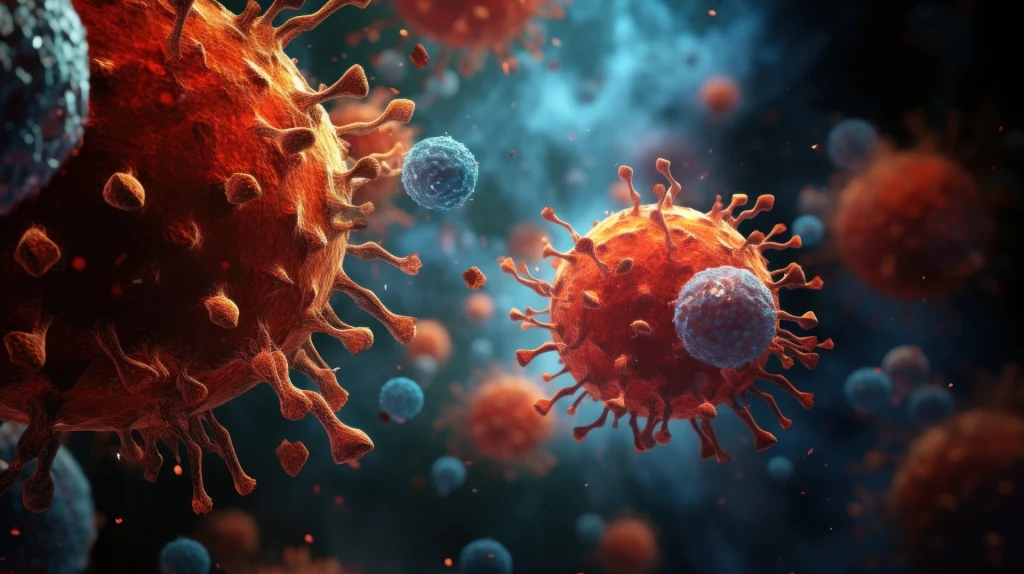
Germs, or microbes, are found everywhere – in the air, soil, and water. There are also germs on your skin and in your body. Many of them are harmless, and some can even be helpful. But some of them can make you sick. Infectious diseases are diseases that are caused by germs.
What are the different types of germs that cause infectious diseases?
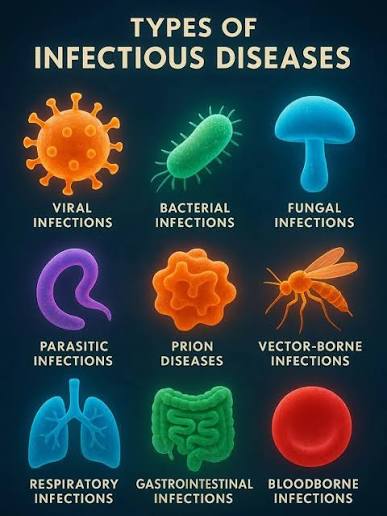
There are four main types of germs:
- Bacteria are one-celled germs that multiply quickly. They may give off toxins, which are harmful chemicals that can make you sick. Strep throat and urinary tract infections are common bacterial infections.
- Viruses are tiny capsules that contain genetic material. They invade your cells so that they can multiply. This can kill, damage, or change the cells and make you sick. Viral infections include HIV and the common cold.
- Fungi are primitive plant-like organisms such as mushrooms, mold, mildew, and yeasts. Athlete’s foot and yeast infections are common fungal infections.
- Parasites are animals or plants that survive by living on or in other living things. Malaria and head lice are infections that are caused by parasites.
How can you get infectious diseases?
There are many different ways that you can get an infectious disease, depending on the type of germ. They can include:
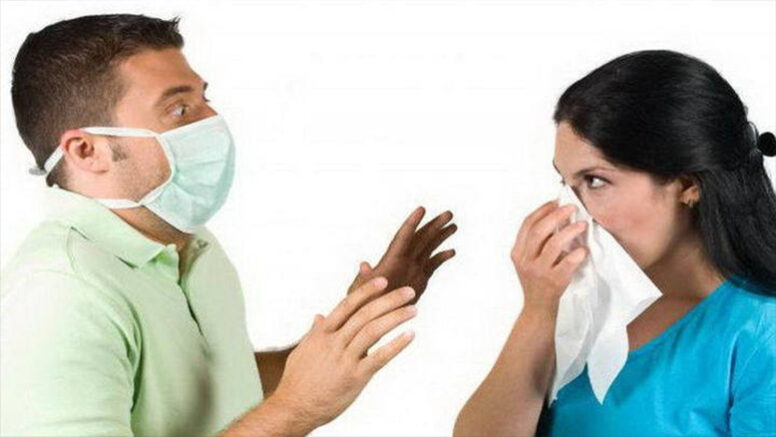
- Through direct contact with a person who is sick. This includes kissing, touching, sneezing, coughing, and sexual contact. If you are pregnant, you can pass some germs to your fetus.
- Through indirect contact, when you touch something that has germs on it. For example, you could get germs if someone who is sick touched a door handle, and then you touch it.
- Through insect or animal bites.
- Through contaminated food, water, soil, or plants.
What are the symptoms of infectious diseases?
Infectious diseases can cause many different symptoms. Some are so mild that you may not even notice any symptoms, while others can be life-threatening.
Symptoms
Each infectious disease has its own specific symptoms. But some illnesses share general symptoms, such as:
- Fever.
- Faster heartbeat.
- Diarrhea.
- Tiredness, also called fatigue.
- Muscle aches.
- Coughing.
- Night sweats.

Diagnosis
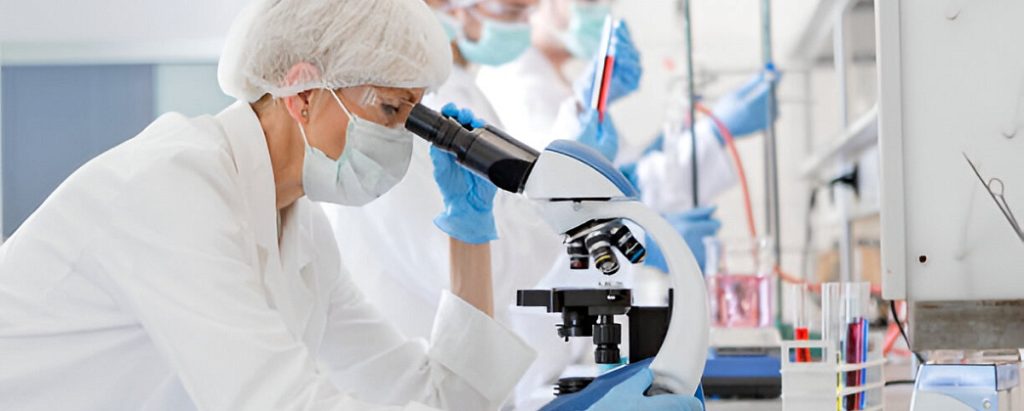
Your healthcare professional will likely ask you about your symptoms and medical history. You’ll likely get a physical exam too. You also may need certain tests or imaging scans to help figure out the cause of your symptoms.
- Lab tests
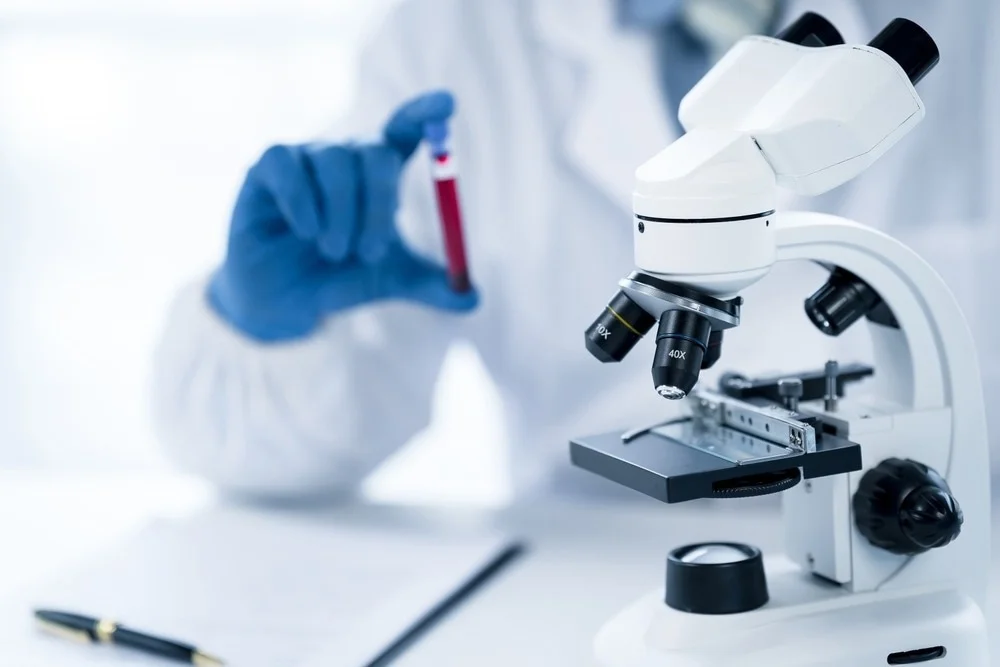
Many infectious diseases have symptoms in common. Samples of body fluids can sometimes point to the particular germ that causes the illness. This helps your care team make sure you get the right treatment.
- Blood tests. A healthcare professional inserts a needle into a vein, often in the arm.
- Urine tests. This involves urinating into a container.
- Throat swabs. Samples from the throat, or other moist areas of the body, may be taken with a sterile swab.
- Stool sample. You may be told to collect a stool sample in a container, so a lab can check for parasites and other organisms.
- Spinal tap. Also called lumbar puncture, this procedure uses a needle to take a sample of the fluid that surrounds the brain and spinal cord. A needle is carefully placed between the bones of the lower spine. You’ll likely be asked to lie on your side with your knees pulled up toward your chest.
- Imaging scans
Tests that make images of the inside of the body also can help your healthcare team figure out the cause of your symptoms. Imaging tests include X-ray, computerized tomography, ultrasound and MRI.
- Biopsies
During a biopsy, a tiny sample of tissue is taken for testing. For example, a biopsy of lung tissue can be checked for a variety of fungi that can cause a type of pneumonia.
Treatment
Knowing what type of germ is causing your illness makes it easier for your healthcare team to choose the right treatment.
Antibiotics
Antibiotics are medicines that clear up illnesses caused by bacteria. They are grouped into classes of similar types. Bacteria also are put together in groups of similar types, such as streptococcus or E. coli. Some types of bacteria are especially prone to certain classes of antibiotics. Treatment can be targeted more precisely if your healthcare team knows what type of bacteria you’re infected with.
Antibiotics have no effect on illnesses caused by viruses. But sometimes it’s hard to tell which type of germ is at work. For example, pneumonia can be caused by a bacterium, a virus, a fungus or a parasite.
The overuse of antibiotics is a problem. Bacteria can change in response to these medicines. As a result, some types of bacteria can resist the effects of one or more varieties of antibiotics. This is called antibiotic resistance. It makes these germs much harder to treat.
Antivirals
These medicines can treat certain viruses. Examples include the viruses that cause:
- COVID-19.
- HIV.
- Herpes.
- Hepatitis B.
- Hepatitis C.
- Influenza.
Antifungals
Topical antifungal medications that you put on the body can treat skin or nail infections caused by fungi. Some fungal infections, such as those that affect the lungs or the mucous membranes, can be treated with an oral antifungal that you take by mouth. Worse infections of the internal organs may need to be treated with intravenous antifungal medicines. You receive these through a needle in a vein at the hospital.
Anti-parasitics
Some diseases, including malaria, are caused by tiny parasites. These organisms live in or on host organisms, which can include people. Parasites get their nutrients from or at the expense of their hosts. Medicines can treat diseases caused by parasites. But some types of parasites have developed resistance to the drugs.
Complications
Some infectious diseases cause minor health problems, such as the common cold. Others can become life-threatening, such as pneumonia and meningitis. A few types of infections have been linked to a long-term higher risk of cancer:
- Human papillomavirus is linked to cervical cancer.
- Helicobacter pylori is tied to stomach cancer and peptic ulcers.
- Hepatitis B and C have been linked to liver cancer.
The germs that cause some infectious diseases also may become inactive, only to cause problems again in the future. For example, someone who’s had chickenpox may develop shingles much later in life.

Can infectious diseases be prevented?
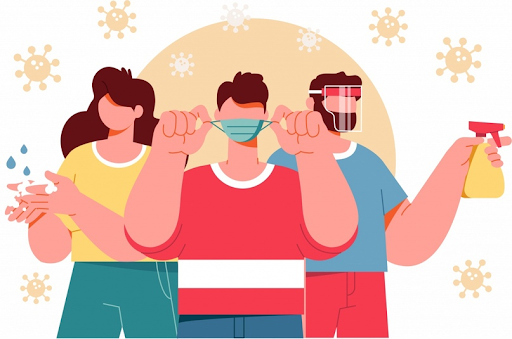
You can take steps to help prevent many infectious diseases:
- Get vaccinated.
- Wash your hands often.
- Pay attention to food safety.
- Avoid contact with wild animals.
- Use a latex condom every time you have sex. If your or your partner is allergic to latex, you can use polyurethane condoms.
- Don’t share items such as toothbrushes, combs, and straws.